The Waitress: Trauma, Healing and Finding My True Voice
It started as another night serving tables. But behind the smile, I was having an argument — with myself. Part of me was trying to stay light and playful with customers. Another part was accusing me of sending the wrong signals, competing with a younger co-worker, and losing touch with who I really was.
Narrative:
In The Waitress, I slip between the playful patter of a server and the inner dialogue of someone battling self-doubt and old wounds. At first, I joke with customers about my name — “Ilze,” spelled without the extra “L” — but the banter hides a deeper tension.
I watch my colleague, “Barbie,” with her perfect curls and red lipstick. A part of me feels threatened. Another part scolds me for feeling that way. I know better. I love women. I understand our shared struggles and ancestral traumas. And yet, in that moment, I am in competition mode.
A memory surfaces: research showing that women can earn more tips during certain phases of their cycle. I realize I am turning my co-worker into a rival instead of a sister. That’s not who I want to be.
This episode weaves personal conflict with insights on trauma from Dr. Paul Conti. Trauma, he says, isn’t always dramatic or sudden. Chronic trauma — like years of being treated as “less than” or navigating life as an immigrant in isolation — can change the brain just as much as acute events. Over time, repeated “hits” can make us more vulnerable, not stronger.
I know this firsthand. My coping mechanism has often been “fawning” — smoothing over tension, pleasing others to stay safe. But it comes at a cost: sleepless nights, a body in pain, and a voice that feels stuck.
A breakthrough comes when I work with Mara, an intimacy coach for actors. She guides me into journaling in a new way — one that feels less forced and more connected to my body’s signals. It opens me up, just enough to glimpse something truer.
By the end, a different image replaces the “ill zebra” I’ve been calling myself. I am a lioness who wandered into a zebra herd and tried to blend in. But my nature is to stand with other lionesses, creating a safe and nurturing space for all.
Key Takeaways
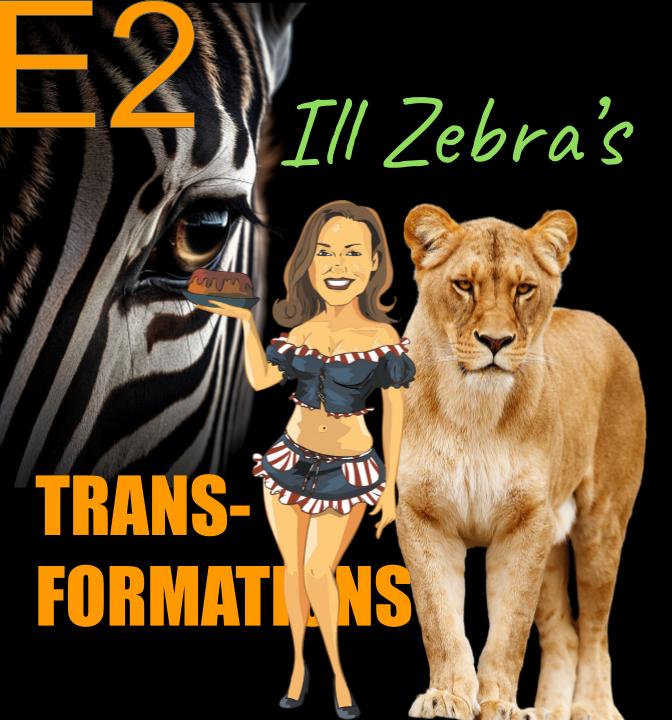
 Listen to the full episode here to hear how a night of waiting tables turned into a lesson on trauma, healing, and reclaiming my true nature.