Faith, Doubt, and the Courage to Build again after Trauma
“Trauma is not what happens to you, but what happens inside you as a result of what happened to you.” – Dr. Gabor Maté
For years, I’ve studied trauma—trying to understand how it shapes our behavior, our relationships, and even our ambition. One thing I’ve noticed is how trauma can quietly pull us away from community. We withdraw, we stop showing up, we convince ourselves it’s easier to stay invisible.
Recently, I decided to push back against that tendency and joined a local discussion group. Their topic of the week was faith. What I experienced that evening—between laughter, sharp disagreements, and a few tender confessions—reminded me how much conversations about faith mirror the journey of entrepreneurship, especially for women healing from trauma in midlife.
Faith vs. Belief: What’s the Difference?
The group started with a question that has always fascinated me: what’s the difference between faith and belief?
As a linguist, I can’t help but dig into words. I’ve defined belief as really, really thinking something is true. Faith, on the other hand, goes deeper. It’s trust that moves us into action.
But not everyone at the table agreed. One woman insisted faith must come through religion, quoting the Bible chapter and verse—even while saying she wasn’t Christian anymore. Another man, an atheist, compared faith to his aging Toyota: “I believe the brakes will work, but my faith in them has been declining since 2012.” His humor drew laughter, but his point was clear: faith isn’t always religious. Sometimes it’s practical, fragile, and tested daily.
Can Faith and Doubt Coexist?
The conversation turned lively: miracles, history, and even Elvis-at-Walmart jokes. But beneath it all was a serious question: can faith and doubt exist together?
My answer was simple: yes. In fact, I think it’s called cognitive dissonance. Everyone laughed, but I meant it sincerely. Haven’t we all lived with both—the hope that something will work out, and the fear that it won’t?
One woman at the table, Maria, brought us back to the heart of the matter. She shared that after losing her son, she doubted God daily, yet clung to Him at the same time. Her faith and doubt lived together, and somehow, both were real. Her honesty shifted the room into silence.
The Money Wound: When Trauma Shapes Success
Listening to the group, I thought about my own life—about how trauma shaped not only my relationships but also my businesses.
I built a successful agency in my twenties, but later, every business I started seemed to hit an invisible ceiling. I once blamed my ex-husband and the circumstances he created for holding me back. And yes, those situations were unfair. But now I see the deeper truth: it wasn’t just him. It was me—my wounds, my subconscious beliefs—keeping me small.
I carried what I now call a money wound. Growing up, I heard: We can’t afford that. Don’t want too much. Appreciate what you have. My subconscious translated those words into survival rules: If you ask for too much, what you have will be taken away. Success is for others, not for you.
For years, that wound whispered in the background, making me freeze when I needed to act. I’d sit at my laptop ready to promote my services, then close it in fear. I’d watch other women share confidently online and tell myself, they can do it, but not me.
That wasn’t laziness—it was trauma. And the good news is, once I recognized it, I could begin to heal it.
Entrepreneurship as an Act of Faith
That night at the brewery table, it hit me: entrepreneurship is an act of faith.
Not blind faith, but cultivated faith. Faith in yourself, even if you’ve been hurt before. Faith in your vision, even when doubt is whispering. Faith in the Creator within you to give you courage to take the next step.
Growing a business is the next level of that faith—it requires shedding limiting beliefs. Being a CEO requires choosing to show up, even when your subconscious is begging you to hide.
Entrepreneurship is noisy, imperfect, and sometimes contradictory. But so was that table conversation. And just like in business, what mattered wasn’t winning the debate—it was showing up, being seen, and finding connection.
From Loneliness to Thriving
This is what I want you to take away: thriving after trauma starts with showing up. Even when you’d rather withdraw. Even when it feels easier to stay invisible.
Because once you do, community shows up around you. Some won’t get it. Some will disagree. But others will lean in, nod, and say, Yes. I see what you mean. Those are your people.
For women in midlife, entrepreneurship can become more than a financial tool. It can be a practice ground for faith. A place to rebuild trust, create new relationships, and embody resilience.
Final Thoughts
If you’ve been hiding because of old hurts, I invite you to take one small step back into community. Maybe it’s a group discussion. Maybe it’s a workshop. Or maybe it’s finally sketching out that business idea you’ve been carrying quietly in your heart.
Your business can be your next step. Not just a source of income, but a living expression of your healing, your resilience, and your ability to thrive.
If this resonates with you, keep listening to the She Became CEO podcast, where I share more stories and strategies for building a business after midlife without overwhelm. And if you’re ready to take a step toward entrepreneurship as a healing path, I’d love to connect with you.
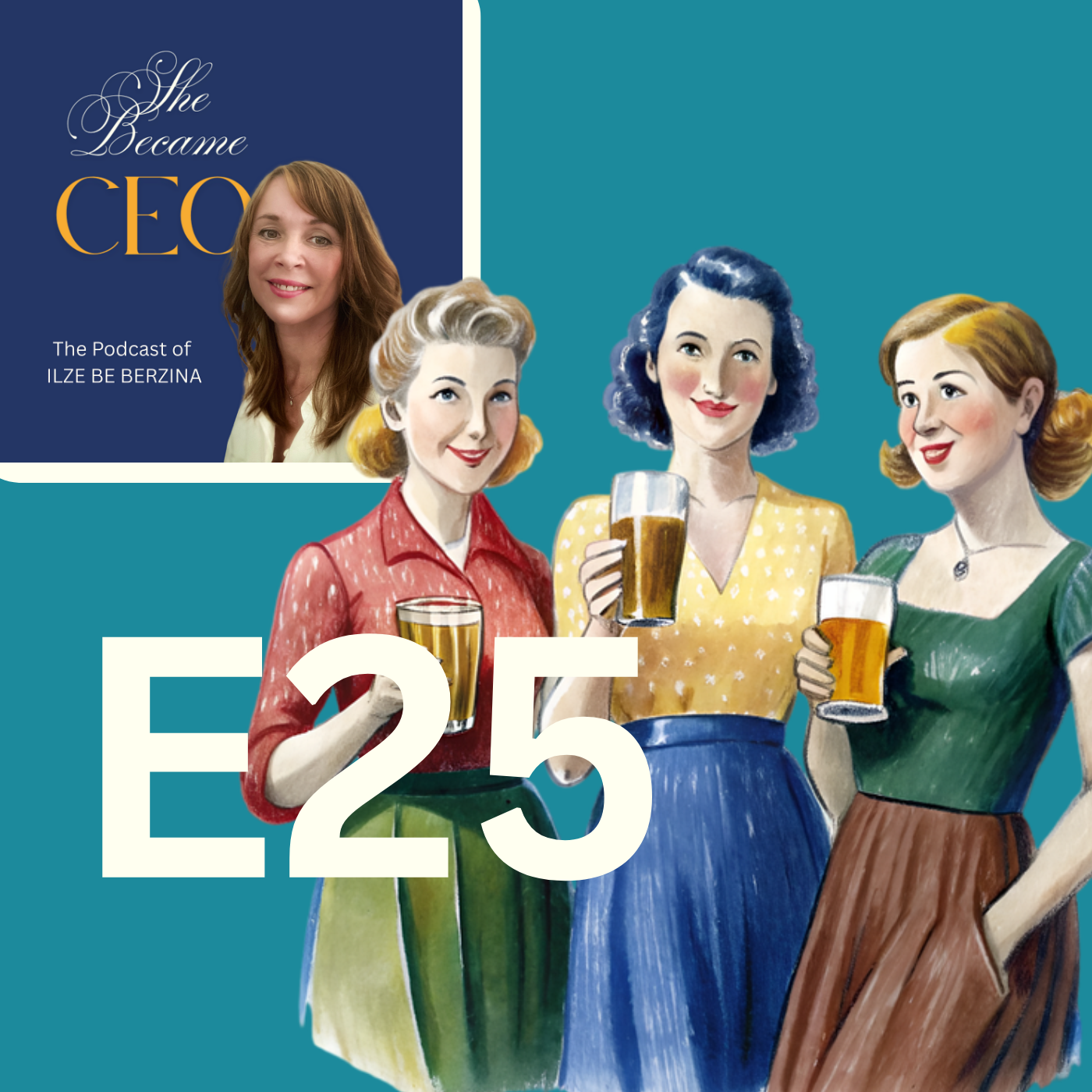
Listen to full Episode 25 here.